
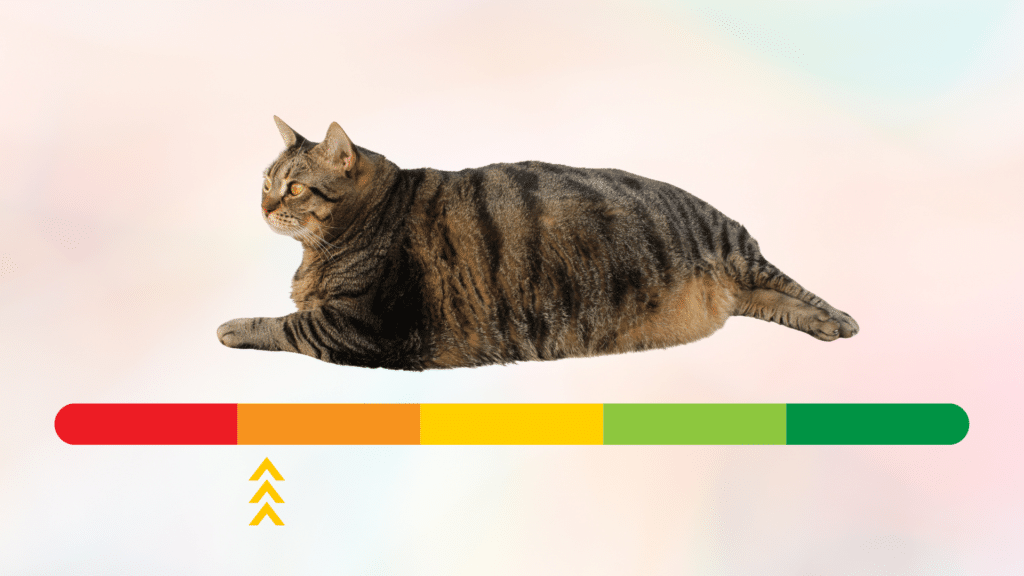
Your cat might love lounging in a sunny window, stretching across the couch, and enjoying their favorite treats. But what happens when their belly becomes rounder or they struggle to clean their own fur? These subtle changes sometimes indicate an overweight cat, especially when extra pounds begin affecting flexibility and daily grooming habits.
Cat owners in Bothell, WA will want to recognize changes in body condition as a valuable part of maintaining feline comfort and hygiene. Weight gain often develops gradually, making the earliest signs easy to overlook.
Alex the Cat Groomer has seen how the relationship between body weight, coat condition, and mobility gives pet owners a better perspective on their cat’s overall well-being.
Why Extra Pounds Create Grooming Challenges
An overweight cat faces greater risks of diabetes, arthritis, and other conditions associated with excess body fat. Additional weight places pressure on joints, making stretching, climbing, and jumping increasingly difficult. Cats carrying excess pounds sometimes struggle to reach their lower backs, hindquarters, and other areas during routine grooming. As natural grooming becomes less effective, loose fur, tangles, and matting may develop. Maintaining a clean coat while addressing weight concerns through veterinary guidance supports better everyday comfort.
What Might Be Causing Your Cat’s Weight Gain?
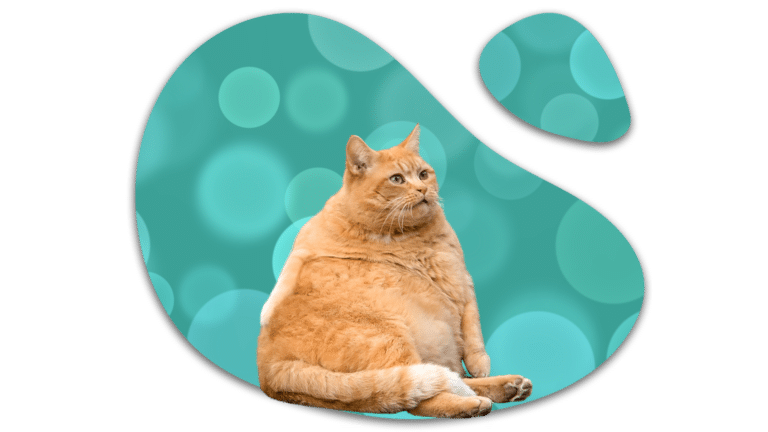
Weight gain frequently occurs when daily calorie intake exceeds the amount of energy a cat uses. Oversized meals, frequent treats, and unrestricted access to food contribute to gradual increases in body fat. Indoor lifestyles, limited physical activity, and age-related changes further influence weight. Certain medications or underlying medical conditions might contribute to unexpected changes in body condition. A veterinarian evaluates potential causes and recommends nutritional adjustments based on your cat’s individual health needs.
Signs Your Cat’s Body Condition Deserves Attention
Recognizing an overweight cat involves observing physical appearance and everyday behavior. A healthy cat generally has a noticeable waist when viewed from above, with ribs that are easily felt beneath a thin layer of tissue. A rounded body shape, reduced waist definition, or difficulty reaching certain areas during grooming might suggest excess weight. However, a naturally hanging abdominal pouch does not automatically indicate obesity. Veterinarians use body condition scoring to assess fat distribution and determine an appropriate weight range for each individual cat.
For a visual reference, explore the feline body condition scoring guide from the Association for Pet Obesity Prevention.
The Role of Veterinary Care in Healthy Weight Management
Unexpected weight gain deserves a veterinary examination, particularly when accompanied by changes in appetite, energy, or mobility. A veterinarian reviews your cat’s weight, feeding routine, medical history, and overall physical condition. Recommendations might include measured meals, nutritional adjustments, and gradual increases in suitable activity. Rapid weight loss poses serious health risks for cats, including potentially dangerous liver complications.
While veterinary professionals oversee medical weight management, groomers like Alex the Cat Groomer address coat maintenance concerns when excess body fat limits natural flexibility.
Three Ways to Keep Your Cat Comfortable
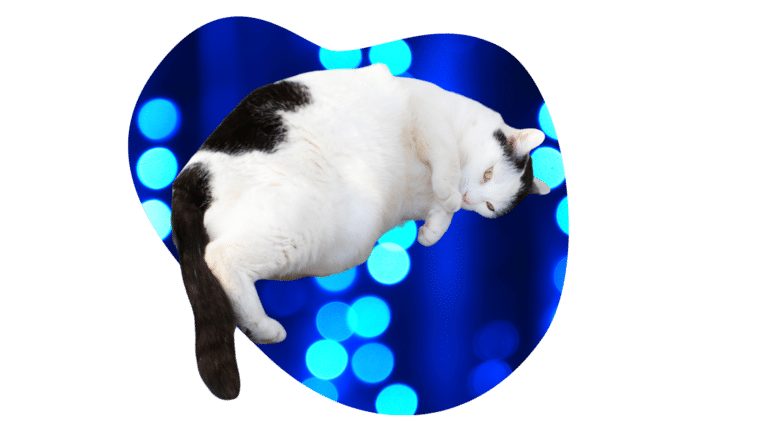
Supporting an overweight cat involves consistent attention to nutrition, movement, and coat cleanliness. Consider these three practical habits:
- Maintain a regular brushing routine. Gentle brushing removes loose fur and reduces tangles in areas your cat struggles to reach.
- Encourage appropriate daily activity. Short play sessions with interactive toys promote movement suited to your cat’s physical abilities.
- Follow veterinary nutritional recommendations. Measure meals according to professional guidance and avoid sudden dietary restrictions or unverified weight-loss advice.
Pay attention to changes in coat texture, skin condition, and grooming behavior. Persistent matting or difficulty maintaining cleanliness deserves professional attention.
Grooming for Overweight Cats in Bothell, QA
Cats of every size deserve grooming experiences suited to their individual coat condition, age, and comfort needs. Alex the Cat Groomer provides specialized feline grooming services for pet owners throughout Bothell, Woodinville, Kenmore, and North Creek.
For an overweight cat struggling with natural grooming, professional coat maintenance addresses loose fur, tangles, and difficult-to-reach areas. If excess weight has started affecting your cat’s grooming routine, schedule an appointment with Alex the Cat Groomer to discuss their coat care needs.